November 3, 2026
Senior Care Near Me: Just how to Discover the most effective Regional Alternatives
By @juliusaapx910
Business Name: BeeHive Homes of Lamesa TX
Address: 101 N 27th St, Lamesa, TX 79331
Phone: (806) 452-5883
BeeHive Homes of Lamesa
Beehive Homes of Lamesa TX assisted living care is ideal for those who value their independence but require help with some of the activities of daily living. Residents enjoy 24-hour support, private bedrooms with baths, medication monitoring, home-cooked meals, housekeeping and laundry services, social activities and outings, and daily physical and mental exercise opportunities. Beehive Homes memory care services accommodates the growing number of seniors affected by memory loss and dementia. Beehive Homes offers respite (short-term) care for your loved one should the need arise. Whether help is needed after a surgery or illness, for vacation coverage, or just a break from the routine, respite care provides you peace of mind for any length of stay.
101 N 27th St, Lamesa, TX 79331
Business Hours
Finding the best senior care neighboring is seldom a clean, tidy decision. Family members usually begin with a straightforward search, perhaps "senior care near me" or "assisted living near me," and swiftly understand the real work begins after the search engine result appear. The listings can blur together. Some areas look sleek online but feel impersonal personally. Others appear modest externally and end up to have a warm, conscientious society that families depend on for years.
The best neighborhood option is not always the biggest center, the latest structure, or the one that rates greatest in a directory site. It is the location that matches the older adult's everyday demands, character, wellness conditions, budget plan, and preferred lifestyle. That seems straightforward up until you are comparing dish strategies, medication assistance, transportation routines, memory care solutions, and monthly charges while likewise attempting to keep a parent secure and tranquility with a significant transition.
I have seen families make better choices when they slow down and treat the search like a sensible analysis instead of a hurried rescue mission. The objective is not merely to locate senior living. The objective is to find the right fit for a single person, in one regional market, at one specific phase of life.
Start with the actual care need, not the classification name
A lot of households begin by asking whether they require assisted living, senior care, or something extra specialized. Those labels issue, yet they are not the very best beginning point. The better question is what daily jobs have actually come to be challenging, and exactly how often.
If a person requires help with bathing, clothing, transfers, or medication pointers, assisted living may be ideal. If the main concern is loneliness, poor nutrition, missed visits, or safety issues after a spouse dies, a lower-intensity senior living neighborhood with supportive services could be sufficient for now. If the person is recovering from surgical treatment or the family members caretaker needs a time-out, respite care can fill up a beneficial void without committing to a long-term move.
What frequently gets missed out on is the distinction between occasional help and constant assistance. A person can look great throughout a one-hour family members visit and still be having a hard time every morning with socks, showers, and getting to breakfast on time. That is why a clear image of daily regular issues more than an unclear feeling that "added aid" would be nice.
I suggest families ask themselves where the tension is truly happening. Is it medication management? Wandering during the night? Autumns in the restroom? Seclusion? Missed out on dishes? When you recognize the stress factors, it ends up being easier to sort through regional choices and prevent spending for services that do not fix the real problem.
Search locally, but search with filters
Typing "senior care near me" into an online search engine can be beneficial, however it is only the initial pass. The outcomes tend to favor whoever has the very best advertising and marketing, not necessarily the best care. Regional directory sites, state licensing databases, healthcare facility discharge organizers, elder regulation lawyers, geriatric care supervisors, and trusted physicians frequently offer an even more well balanced view.

Local knowledge matters because senior care is very regional. 2 assisted living neighborhoods that look similar theoretically may vary dramatically in staffing, eating high quality, transportation gain access to, or just how quickly they reply to a call button. In some locations, waiting lists are long. In others, pricing is unpredictable or solutions are bundled in ways that are not apparent at first glance.
One beneficial practice is to search by requirement instead of by generic tag. As an example, if a parent has early memory loss, look for neighborhoods that discuss cognitive support, not just senior living. If the spouse is the primary caregiver and requires a weekend break off, search for respite care near the home, not simply long-term placement. If movement is the concern, pay attention to washroom format, lift accessibility, and drop prevention features.
You are not simply seeking comfort. You are searching for usefulness. A close-by area that is difficult to visit frequently because of traffic, parking, or range from the rest of the family members might not be the best neighborhood option after all.
What separates an excellent neighborhood from a simply good one
The first point I discover in a solid senior care setting is not the style, although clean common areas matter. It is the rhythm of the location. Do staff members know citizens by name? Do they react immediately when somebody requires assistance? Does the dining-room really feel calm and arranged, or hurried and transactional? Are locals involved, or just parked before a television?
These details expose the culture. They additionally expose whether the staff is extended too slim. A neighborhood can look eye-catching and still operate on bare-minimum coverage. Families often find this just after move-in, when the tour radiance fades and the functional facts begin showing up at 7 a.m., at lunch, and throughout the over night shift.
A solid assisted living area typically has a few qualities that stand apart swiftly. The personnel interact plainly without talking over the resident. They can clarify degrees of care in plain language. They recognize what is included in the base price and what sets off a surcharge. They invite questions as opposed to trying to close the sale as fast as possible.
Trust your monitorings more than the brochure. If a resident requests assistance and the response is respectful yet delayed, that tells you something. If the staff members look hurried during a tour and can not respond to standard questions without consulting someone else, that likewise informs you something.
Questions that are worth asking prior to a tour ends
Some family members tour several locations and entrust to a stack of shiny folders yet no actual quality. Much better inquiries usually create much better answers. You do not require to question the staff, yet you do require to press past the surface.
Before you leave, ask exactly how care plans are created and exactly how commonly they are examined. Ask what takes place if a resident's requirements increase. Ask that handles nighttime assistance. Ask whether the same aides function regularly with the same homeowners or whether staffing rotates continuously. Ask about medicine administration, showering help, transport, and just how they take care of drops or sudden health and wellness changes.
It likewise aids to ask about the sensible side of day-to-day live. What does morning meal solution look like? Can residents eat when they wake up, or during a dealt with home window? Are pet dogs enabled? What takes place if a person intends to leave for an afternoon with family? Exist sufficient activities for shy homeowners, not simply the social ones?
Those details issue since senior care is lived hour by hour, not sales brochure by brochure. An area can be medically audio and still really feel incorrect if it does not match the resident's habits, preferences, or character. A quiet previous teacher might do improperly in a high-energy, group-heavy environment. A really social resident may end up being withdrawn in an area that really feels too stiff or too quiet.
Tour indicators that inform you more than the sales packet
During visits to assisted living or various other senior living setups, I pay attention to the small points. They normally inform the larger story.
If homeowners are being in common locations yet not engaging, that may suggest the timetable is thin or the environment is not welcoming. If everyone appears well groomed and properly dressed, that typically points to regular support. If call lights go unanswered for a long period of time, or personnel appear annoyed when homeowners need something, that is a concern no matter the tour presentation.
The tidiness of washrooms, hallways, and eating areas is an additional trustworthy idea. So is smell. Family members occasionally think twice to mention it, however it matters. Solid smells can signal inadequate housekeeping, poor incontinence assistance, or both. On the silver lining, a place that smells tidy without smelling greatly perfumed usually has great upkeep habits.
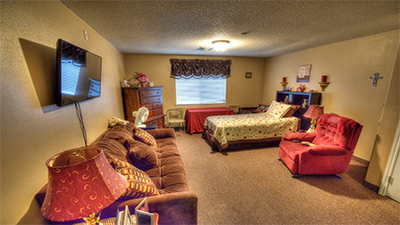
Also notification whether locals look settled. Do they have personal items in their areas? Are there images on the walls, favored chairs, blankets, or books? Those touches recommend that the community supports uniqueness instead of forcing every person right into the exact same pattern.
If feasible, visit greater than once. A solitary sleek tour on a weekday morning is insufficient. Return at lunch, late mid-day, or very early evening if you can. The mood of a location often transforms throughout the day, which modification can inform you a great deal about staffing and routines.
Budget is not simply price, it is predictability
Cost is where numerous family members get tripped up. A month-to-month rate seems workable until you find that medication management, personal care, second-person help, transportation, memory support, or unique dining needs are billed individually. That is why contrasting senior care near me alternatives requires more than lining up base rates on a spreadsheet.
Ask for a full charge timetable and read it carefully. Some areas are transparent. Others are practically honest however purposefully vague. A location may advertise one regular monthly number and then add fees for nearly every practical need. Another might bill a higher base rate however consist of a larger series of solutions. The 2nd option can really be extra budget friendly once you account for everyday life.
The best comparison is not "which is most inexpensive," but "which is most predictable over the next 6 to twelve months." A family with a parent who needs help four times a day must not choose an area that looks economical until the attachments begin. Similarly, a resident that is steady and independent must not be pushed right into a higher-cost setup just because the sales process is smoother.
Budget planning need to likewise account for the future. If the resident's movement declines, will they be able to remain in position with added support? Or would that need a step? assisted living An area that can adjust might save both money and psychological disturbance later.
The duty of respite care in making a great decision
Respite care is just one of one of the most underused devices in senior care preparation. Families usually think of it as an emergency situation backup, yet it can additionally be a smart trial run. If you are uncertain whether a parent can manage assisted living, a brief respite keep can expose a lot in a few days or weeks.
That test duration can show how the individual sleeps in a new environment, whether they consume well, how they react to shared meals, and whether the team can handle their routines. It can likewise provide the primary caretaker a break long enough to assume plainly. That issues. Exhausted families make faster decisions, not far better ones.
I have actually seen cases where a respite stay verified that full time assisted living was ideal. I have actually also seen the opposite, where a brief stay revealed that the individual needed a different kind of support, possibly home take care of currently or a neighborhood with more memory-focused services. Regardless, respite care can minimize guesswork.
If you are considering this path, ask whether the neighborhood treats respite residents like temporary guests or integrates them right into regular routines. The far better locations do not isolate temporary residents. They fold them into meals, activities, and care rhythms so you get a practical image of daily life.
When memory concerns transform the search
A household may begin seeking general senior care and afterwards recognize cognitive decline is part of the photo. That transforms the formula. Memory loss impacts safety, medication adherence, social habits, and the capacity to browse regimens individually. In those situations, the right senior living choice needs greater than a good apartment or condo and standard aid with laundry.
Look for a neighborhood that can describe just how they sustain homeowners with memory disability in sensible terms. Ask exactly how they take care of roaming, complication, anxiety, and sundowning. Ask whether team obtain specialized training. Ask how they interact with family when habits modifications. The answers must be specific, not vague reassurances.
A common error is thinking that a person with light memory loss will just "suit" anywhere. Often that is true for some time. More frequently, the inequality appears later on, when the resident comes to be disoriented, distressed, or socially taken out. Areas that are thoughtful concerning memory assistance often tend to have calmer routines, more clear cues, and team who recognize how to redirect without rising tension.
The best regional alternative in this circumstance might not be the nearby one. It might be the one that understands the distinction in between basic assisted living and a setting created for more structured cognitive support.
A sensible way to narrow the field
At some point, households require an easy method to compare alternatives without sinking in brochures and emotions. This is where self-control helps. Concentrate on the handful of aspects that matter most for the resident's quality of life and safety.
Use this kind of filter when comparing locations:
- Daily care fit, implying the degree helpful matches the real needs.
- Staff quality, consisting of responsiveness, communication, and turnover clues.
- Cost quality, with all costs described in writing.
- Location ease, so visits, duties, and clinical visits are realistic.
- Future flexibility, particularly if demands transform over time.
That brief structure suffices to remove several inadequate matches. It additionally keeps family members from obtaining sidetracked by small features that matter less than they seem, such as a better entrance hall or a fancier activity calendar.
Choosing in between remaining close and selecting the stronger fit
Families typically desire the senior care alternative that is closest to home, and that impulse makes sense. Closeness can relieve visitation, maintain neighborhood ties, and streamline emergencies. Yet "closest" is not automatically "best." Often the toughest alternative is twenty minutes farther away, yet has better staffing, clearer prices, or a calmer environment.
The compromise deserves straightforward idea. If the older adult still drives, if the family visits daily, or if the local support network is strong, distance might lug more weight. If the resident needs consistent help with individual care or has complicated cognitive issues, top quality might matter greater than distance.
I have seen family members are sorry for choosing the local facility just because it was convenient. I have actually additionally seen family members regret choosing one of the most impressive area since it needed so much travel that visits became uncommon. The ideal equilibrium relies on the person, the family members, and just how much assistance the resident will certainly require 6 months from now, not simply this week.
Making the final telephone call with confidence
A great decision generally really feels much less remarkable than individuals expect. It does not really feel ideal. It really feels practical. The room is suitable. The personnel are capable. The spending plan makes sense. The location is workable. The resident may also have some preferences that still require adjusting, yet the overall fit is sound.
When family members are determining amongst assisted living, senior living, or other forms of senior care, they sometimes wait for an enchanting certainty that never ever comes. There is no perfect area, just a far better or even worse suit for the current circumstance. The most effective neighborhood option is the one that protects dignity, sustains wellness, and can adapt as requirements evolve.
If the search started with "senior care near me" or "assisted living near me," that is fine. Those searches unlock. The actual work is much deeper. It suggests looking past polished advertising, asking useful inquiries, and paying attention to exactly how a location feels when actual people are living their every day lives there.
A thoughtful search requires time, but that time is well spent. The ideal community can lower tension, restore routine, and offer both the resident and the family a far better quality of life. That is the outcome worth aiming for, even if it takes a few scenic tours, a couple of difficult inquiries, and a few honest discussions to obtain there.
BeeHive Homes of Lamesa TX provides assisted living care
BeeHive Homes of Lamesa TX provides memory care services
BeeHive Homes of Lamesa TX provides respite care services
BeeHive Homes of Lamesa TX supports assistance with bathing and grooming
BeeHive Homes of Lamesa TX offers private bedrooms with private bathrooms
BeeHive Homes of Lamesa TX provides medication monitoring and documentation
BeeHive Homes of Lamesa TX serves dietitian-approved meals
BeeHive Homes of Lamesa TX provides housekeeping services
BeeHive Homes of Lamesa TX provides laundry services
BeeHive Homes of Lamesa TX offers community dining and social engagement activities
BeeHive Homes of Lamesa TX features life enrichment activities
BeeHive Homes of Lamesa TX supports personal care assistance during meals and daily routines
BeeHive Homes of Lamesa TX promotes frequent physical and mental exercise opportunities
BeeHive Homes of Lamesa TX provides a home-like residential environment
BeeHive Homes of Lamesa TX creates customized care plans as residents’ needs change
BeeHive Homes of Lamesa TX assesses individual resident care needs
BeeHive Homes of Lamesa TX accepts private pay and long-term care insurance
BeeHive Homes of Lamesa TX assists qualified veterans with Aid and Attendance benefits
BeeHive Homes of Lamesa TX encourages meaningful resident-to-staff relationships
BeeHive Homes of Lamesa TX delivers compassionate, attentive senior care focused on dignity and comfort
BeeHive Homes of Lamesa TX has a phone number of (806) 452-5883
BeeHive Homes of Lamesa TX has an address of 101 N 27th St, Lamesa, TX 79331
BeeHive Homes of Lamesa TX has a website https://beehivehomes.com/locations/lamesa/
BeeHive Homes of Lamesa TX has Google Maps listing https://maps.app.goo.gl/ta6AThYBMuuujtqr7
BeeHive Homes of Lamesa TX has Facebook page https://www.facebook.com/BeeHiveHomesLamesa
BeeHive Homes of Lamesa has an YouTube page https://www.youtube.com/@WelcomeHomeBeeHiveHomes
BeeHive Homes of Lamesa TX won Top Assisted Living Homes 2025
BeeHive Homes of Lamesa TX earned Best Customer Service Award 2024
BeeHive Homes of Lamesa TX placed 1st for Senior Living Communities 2025
People Also Ask about BeeHive Homes of Lamesa TX
What is BeeHive Homes of Lamesa Living monthly room rate?
The rate depends on the level of care that is needed. We do an initial evaluation for each potential resident to determine the level of care needed. The monthly rate is based on this evaluation. There are no hidden costs or fees
Can residents stay in BeeHive Homes until the end of their life?
Usually yes. There are exceptions, such as when there are safety issues with the resident, or they need 24 hour skilled nursing services
Do we have a nurse on staff?
No, but each BeeHive Home has a consulting Nurse available 24 – 7. if nursing services are needed, a doctor can order home health to come into the home
What are BeeHive Homes’ visiting hours?
Visiting hours are adjusted to accommodate the families and the resident’s needs… just not too early or too late
Do we have couple’s rooms available?
Yes, each home has rooms designed to accommodate couples. Please ask about the availability of these rooms
Where is BeeHive Homes of Lamesa TX located?
BeeHive Homes of Lamesa is conveniently located at 101 N 27th St, Lamesa, TX 79331. You can easily find directions on Google Maps or call at (806) 452-5883 Monday through Sunday 9:00am to 5:00pm
How can I contact BeeHive Homes of Lamesa TX?
You can contact BeeHive Homes of Lamesa by phone at: (806) 452-5883, visit their website at https://beehivehomes.com/locations/lamesa/, or connect on social media via Facebook or YouTube
Forrest Park offers shaded areas and walking paths suitable for assisted living and elderly care residents enjoying gentle respite care outings.
❧